Are business costs in your city rising or falling? For many small business owners, the answer might be surprising. While some regions across the United States have adopted inventory tax exemptions to reduce the financial burden on local businesses, others are moving in the opposite direction.
Understanding what inventory taxes are and whether your city offers relief could significantly impact your company’s bottom line—especially when every dollar counts.
What Are Inventory Tax Exemptions?
Inventory tax is a type of personal property tax that businesses pay on the value of goods they hold in stock. This includes everything from retail products on shelves to raw materials in warehouses.
Traditionally, businesses calculate the value of their inventory on a specific assessment date, and local governments tax that amount annually. For example, for a small retail shop carrying $50,000 in inventory, a 2% tax rate means paying $1,000 simply for having products available to sell.
Inventory tax exemptions eliminate or reduce this taxation burden. States like Texas and Virginia have implemented these policies to encourage business growth and make their regions more competitive.
The exemption differs from sales tax—customers still pay sales tax at purchase, but the business no longer owes tax just for holding unsold inventory. Cities are increasingly exploring these exemptions as tools for economic development, hoping to:
- Attract new businesses
- Help existing businesses expand
- Reduce the cash flow drain of inventory taxation
Which Cities Are Implementing This?
The landscape varies considerably by region, and not all cities are moving toward exemptions. Some are increasing tax rates instead.
Phoenix, Arizona
Phoenix, Arizona, approved a 0.5% Transaction Privilege Tax (TPT) increase on March 18, 2025, effective July 1, 2025, to address a $90 million budget shortfall caused by state rental sales tax elimination.
This increase affects business activities, including Use Tax from Inventory, now reaching 5.60% in some areas.
Maricopa City, Arizona
Similarly, Maricopa City raised its general TPT to 2.5% from 2% via Ordinance 25-06, effective October 1, 2025, while maintaining Use Tax from Inventory at 3%.
These increases stem from cities facing budget pressures following state flat income tax implementation and shared revenue reductions. Rather than offering exemptions, these Arizona municipalities are raising rates to maintain revenue stability.
Phoenix, for example, reported income tax revenue down 19.4% and is seeking to offset losses through higher business taxation.
Stay Ahead of Competitors by Adopting AI Faster
The SMB AI Adoption Playbook: Improve Team Efficiency by 3×
Free, practical guide to adopting AI without complexity.
How Tax Changes Impact Small Businesses
Whether cities raise or lower inventory taxes, the impact on small businesses is substantial.
In Phoenix, the elevated TPT on inventory use means a retailer with $100,000 in inventory now pays $5,600 annually in state inventory tax plus the additional city increment—funds that could otherwise support:
- Hiring staff
- Equipment purchases
- Store expansion or remodeling
Example: A Hardware Store in Maricopa
Consider a small hardware store owner in Maricopa. Before the recent rate increases, the business budgeted $3,000 annually for inventory taxation. After Ordinance 25-06 took effect, that figure climbed, squeezing already tight margins.
The owner now uses accounting software to track every inventory transaction and tax obligation, ensuring accurate calculations prevent costly errors.
Without automated tracking, manually calculating Use Tax from Inventory across changing rates would consume hours each month—time better spent serving customers.
Accounting Software in a Small Retail Operation
When work is split between the store, home, and off-site advisors, keeping inventory tax records consistent becomes difficult without a shared system. Accounting software centralizes transactions and tax data in one place, updating records as entries are made so anyone with access sees the same numbers, regardless of location.
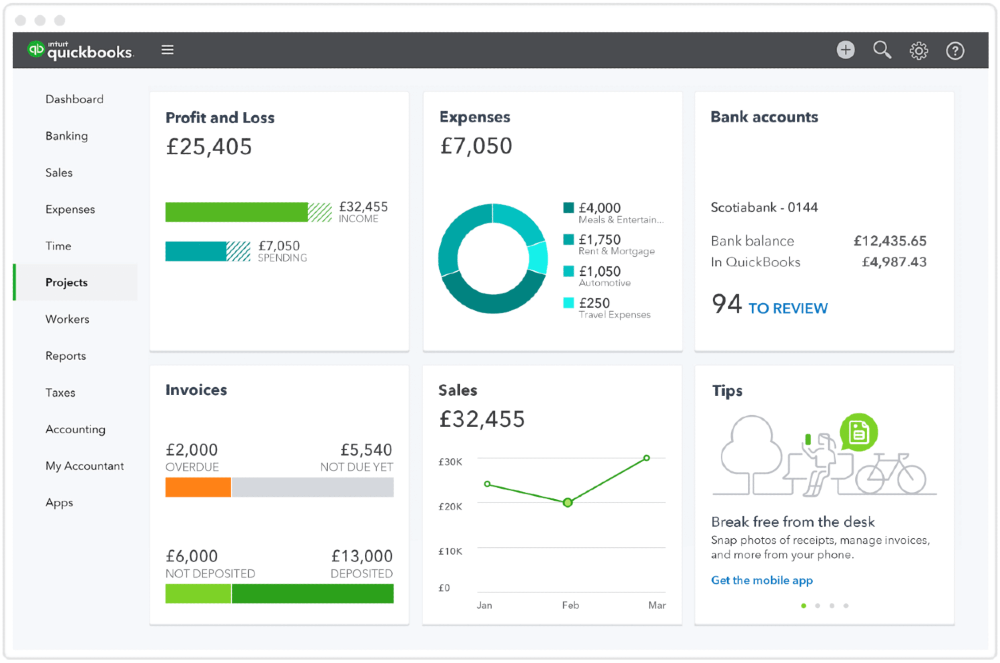
QuickBooks
A small business accounting platform used to record transactions and track tax obligations in a single system.
QuickBooks

Suitable for service-based businesses needing streamlined financial management
Rasons to buy
- + User-friendly interface with real-time financial tracking and reporting
- + Automates invoicing, billing, payroll, and tax compliance
- + Customizable to fit specific daycare needs, including managing tuition, expenses, and staff payroll
- + Integrates with over 500 apps for enhanced functionality
Possible Drawbacks
- –File size and user limitations may hinder scalability for larger operations
- ● $35/month (Simple Start)
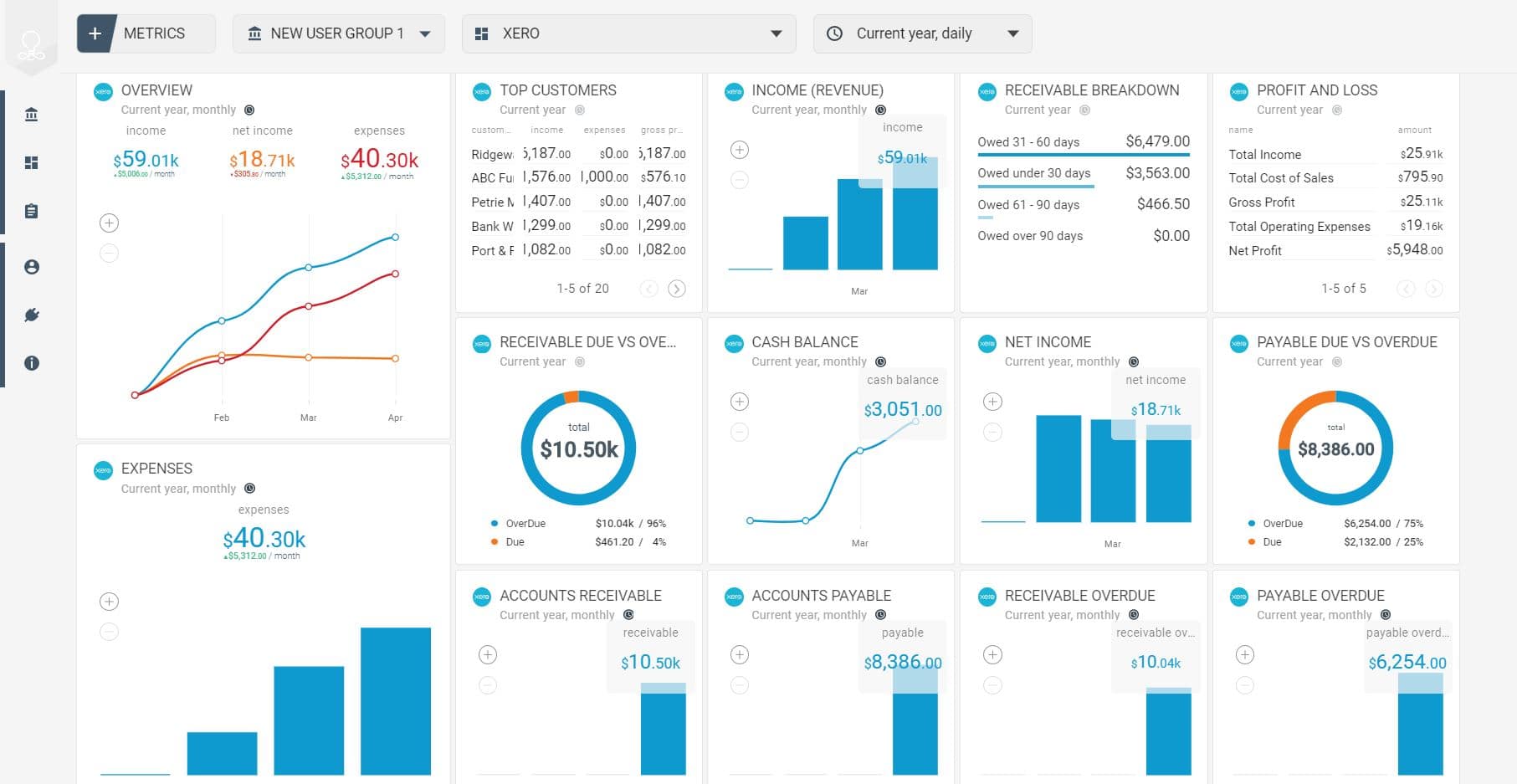
Xero
An online accounting system that maintains up-to-date financial records accessible from different work locations.
Xero
u003cp style=u0022text-align: center;u0022u003eXero is ideal for small businesses, startups, freelancers, accountants, and bookkeepers seeking efficient, user-friendly cloud-based accounting solutionsu003c/pu003ernu0026nbsp;
Rasons to buy
- + Unlimited users across all plans
- + Intuitive design with minimal learning curve
- + Strong invoicing, expense tracking, and bank reconciliation features
- + Multi-currency support in premium plans
Possible Drawbacks
- –No direct customer support calls
- –Entry-level plan restricts invoices and bills
- –Unsuitable for large businesses with high transaction volumes
- ● Early Plan: $15/month
- ● Growing Plan: $47/month
Where Exemptions Exist
Cities offering true exemptions tell a different story. According to NCSL data on business personal property taxes, states that eliminated inventory taxes saw businesses reinvest savings into operations, improving competitive positioning against larger corporations that can absorb these costs more easily.
The freed-up cash flow allows businesses to:
- Carry optimal inventory levels without tax penalties
- Improve customer service with better stock availability
- Boost sales potential by expanding product offerings
Who Qualifies and What to Track?
Qualification for Exemptions
Qualification requirements depend entirely on local ordinances. Typically, exemptions target small businesses below specific revenue thresholds—often $1 million to $5 million in annual sales—though requirements vary.
Certain industries like manufacturing or retail may receive preferential treatment, while others face restrictions or may be excluded altogether.
Essential Records to Maintain
Even without exemptions, businesses must track inventory values meticulously. Important documentation includes:
- Inventory counts on assessment dates
- Purchase records and invoices
- Depreciation schedules where applicable
- Supporting documentation for any claimed exemptions or deductions
Many companies now rely on inventory management software integrated with accounting platforms to maintain real-time inventory valuations and generate required tax reports automatically.
This kind of software:
- Eliminates spreadsheet and manual entry errors
- Helps ensure compliance with changing local tax codes
- Simplifies preparation for audits and exemption applications
What Should Businesses Do Now?
Step 1: Verify Local Policies
Business owners should immediately verify their city’s current inventory tax policies. To do this:
- Contact the city tax assessor or small business office
- Confirm applicable inventory tax rates
- Ask about any available exemptions, credits, or thresholds
Then, calculate the actual cost using current inventory levels—the number often surprises owners who haven’t isolated this expense from general tax obligations.
Step 2: Adjust Budgets and Forecasts
For businesses in cities raising rates like Phoenix, budget adjustments become critical. Software that forecasts cash flow while incorporating updated tax rates helps prevent shortfalls.
The U.S. Small Business Administration tax guide offers resources for:
- Understanding local tax obligations
- Identifying legitimate deductions and credits
- Planning for upcoming tax changes
Step 3: Document Everything
Document everything. Whether applying for exemptions or preparing for audits under new rate structures, organized records:
- Protect the business during reviews or disputes
- Make it easier to prove eligibility for exemptions
- Speed up processes with tax authorities
The Bottom Line on Inventory Taxation
Inventory tax policies significantly affect small business viability, yet many owners remain unaware of their city’s approach. While some regions offer exemptions as economic development tools, others are raising rates to address budget pressures—creating a patchwork landscape where location heavily influences cost burden.
The key is staying informed. Business owners should:
- Research local policies regularly
- Understand qualification requirements for exemptions
- Leverage accounting and inventory technology to track obligations accurately
These policies reveal whether cities prioritize business growth or revenue generation—information that matters when planning expansion or choosing where to establish operations.
Small businesses drive local economies, and understanding how tax policies support or hinder that role empowers better financial decisions and long-term resilience.
Stay Ahead of Competitors by Adopting AI Faster
The SMB AI Adoption Playbook: Improve Team Efficiency by 3×
Free, practical guide to adopting AI without complexity.

As a small business owner, you know how important it
Read more

Qatar Airways: The Pinnacle of Luxury in Air Travel Qatar
Read more
Michael Jordan turned sneaker loyalty into a multi-billion dollar empire
Read more
How PayPal's relentless focus on growth over profits created the
Read more