In today’s competitive landscape, businesses are finding it increasingly difficult to attract and retain talent. With a shift in employee priorities toward work-life balance, flexible work options have emerged as a vital component of any recruitment strategy. This blog explores why flexible work has become an essential non-salary benefit for employees and how it can contribute significantly to a company’s success.
The Rise of Flexible Work
Flexible work is not a new concept, but its popularity has grown tremendously in recent years. Historically, workers had to adhere to rigid schedules and the traditional 9-to-5 workday. However, trends toward remote and flexible working arrangements began to gain momentum, particularly accelerated by the COVID-19 pandemic. During this time, many businesses learned that productivity could be maintained or even increased when employees worked from home.
Employee Preferences and Expectations
Surveys reveal that employees greatly value flexibility in their work arrangements. A study highlighted that 85% of workers prefer jobs with flexible schedules, reflecting a generational divide where younger employees prioritize balance more than previous generations did. As the demand for work-life balance intensifies, employers who can offer such arrangements will find themselves more appealing to top talent.
Save hours each month and simplify payroll
Cut HR & Payroll Admin by 60% with This Free Playbook
Simplify payroll. Save time. Free download.
Benefits of Flexible Work for Employers
Employers stand to gain substantially from offering flexible work options:
- Attraction of top talent: Companies that promote flexibility are often preferred places of employment.
- Increased employee engagement and satisfaction: Workers feel more valued when their needs are recognized, leading to greater job satisfaction.
- Reduced turnover rates: A flexible environment encourages loyalty, making employees less likely to seek alternative employment opportunities.
- Enhanced productivity: With reduced commuting time and the ability to work in a comfortable environment, employees are often more productive.
For instance, remote work software solutions, like Zoom and Slack, commonly used by many organizations, help facilitate flexible arrangements by enabling seamless communication and collaboration among team members, even from different locations.
Implementing Flexible Work Policies
For businesses looking to adopt flexible work, several best practices can ease the transition:
- Establish clear guidelines: Clearly defined expectations and policies must be communicated to prevent confusion.
- Utilize project management tools: Software like Click Up or Monday keeps teams organized and projects on track, which is particularly useful in remote settings.
- Address concerns proactively: Employers should have an open dialogue with employees about any potential challenges to create a supportive environment.
An anecdote from a small marketing firm illustrates this point. After implementing flexible schedules, not only did the company see a rise in morale, but they were also able to attract a highly qualified designer who valued remote work opportunities and flexible hours.
Flexibility doesn’t just benefit employees. Many companies report that implementing flexible work policies leads to better customer interactions and stronger team dynamics, facilitating overall business results.
Project Management Software for Coordinating Flexible Teams
Project management software helps businesses manage work when employees are spread across locations or working different schedules. In flexible or remote environments, it addresses the problem of keeping tasks, deadlines, and responsibilities clear when teams are not in the same place or online at the same time. The software works by providing a shared space where work is outlined, progress is updated, and timelines are visible, allowing everyone to understand what needs to be done and how pieces of work fit together without relying on constant meetings.
ClickUp: A project management platform that organizes tasks and timelines in a shared workspace used by distributed teams.
ClickUp

Versatile project management platform designed to cater to a wide range of business needs. Here’s a concise breakdown of its suitability, benefits, drawbacks, and pricing
Rasons to buy
- + All-in-one platform with customizable workspaces
- + Affordable pricing compared to competitors;
- + Advanced collaboration tools like real-time editing, task dependencies, and time tracking
Possible Drawbacks
- –Limited timesheet functionalities
- –Automation and workflow setup can be unintuitive
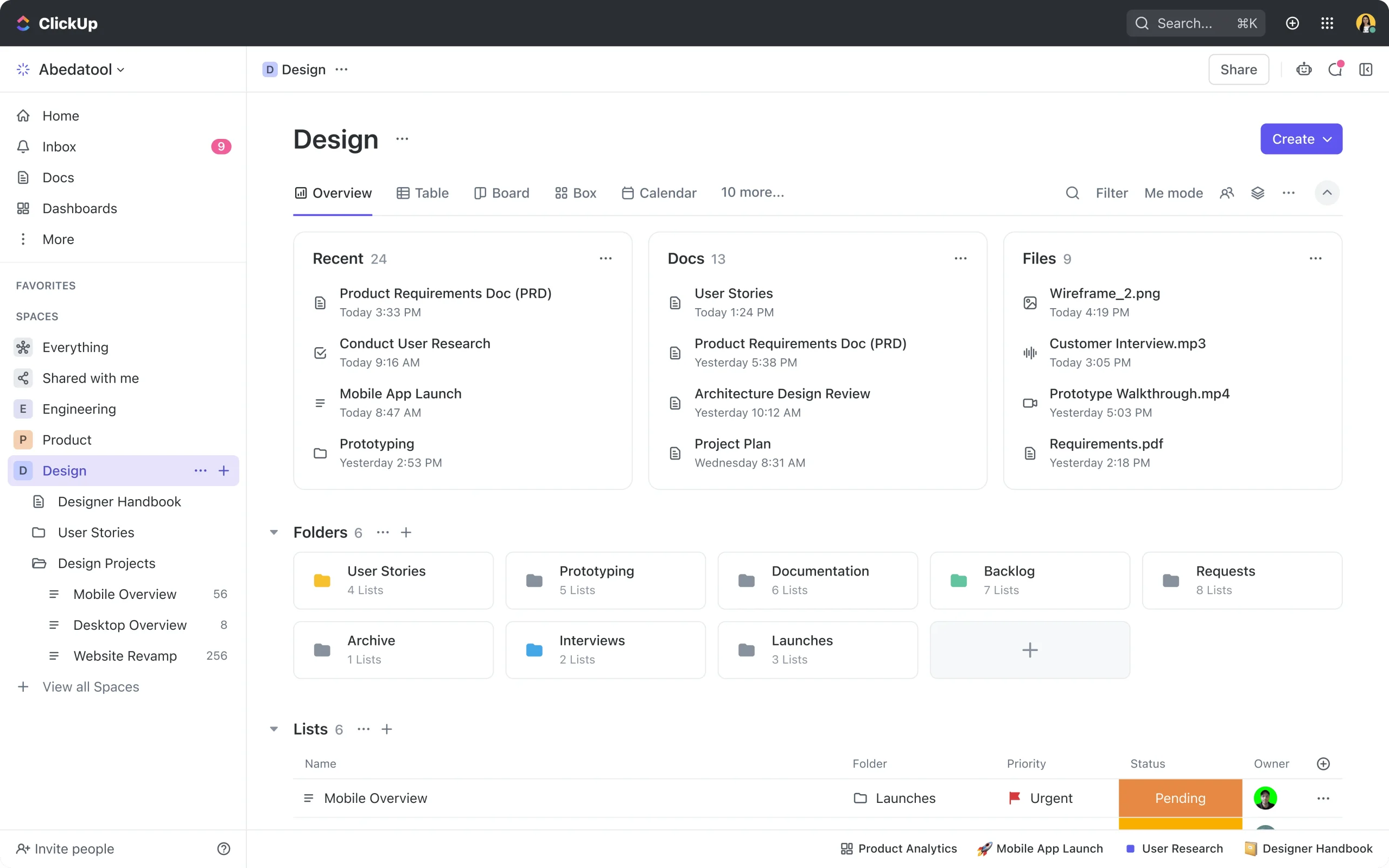
- ● Free Forever Plan: $0/month;
- ● Unlimited Plan: $7/user/month
Monday: A work management tool that helps teams track projects and coordinate work across different schedules and locations.
Monday
Best suited for: Small to medium-sized businesses, marketing teams, IT services, and creative teams. Ideal for businesses needing customizable workflows and visual project tracking
Rasons to buy
- + User-friendly interface
- + Highly customizable boards
- + Robust integrations (200+ apps),
- + Automation features, and versatile views (Kanban, Gantt)
Possible Drawbacks
- –Free plan limited to two users and lacks advanced features
- –Performance issues reported with large boards
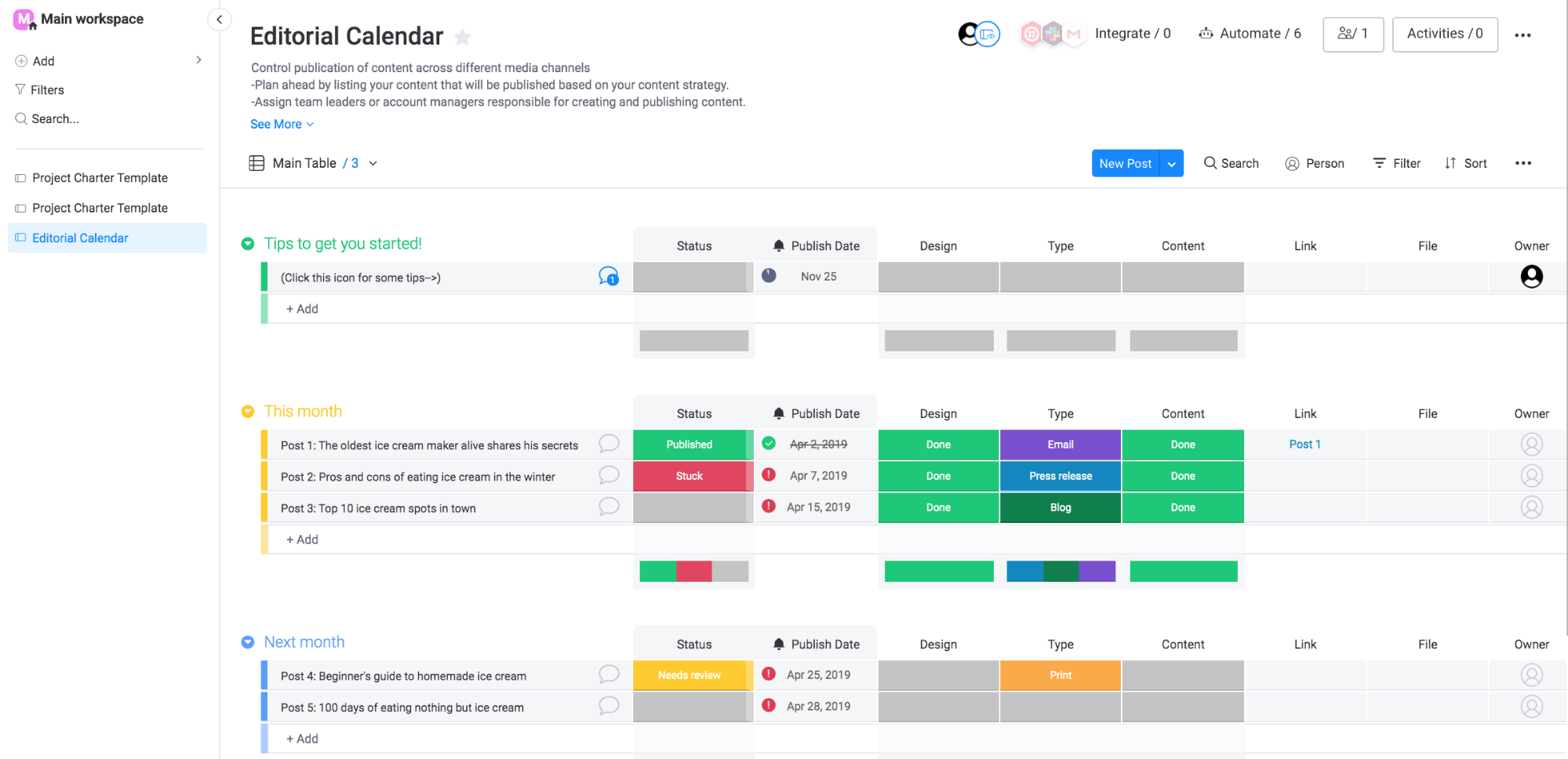
- ● Free plan available for up to two users
- ● $9/user/month (Basic)
- ● $19/user/month (Pro)
Conclusion
The importance of flexible work in recruitment cannot be overstated. As companies adapt to the evolving job market, offering flexible work options is essential for attracting and keeping the most talented employees. Businesses should consider the long-term advantages of adopting flexible work policies and embrace the future of work. For those interested in diving deeper into flexible work arrangements, resources like The Benefits Of Offering Flexible Work Arrangements In Recruitment provide valuable insights and data.
In conclusion, strengthening your company’s recruitment strategy by introducing flexible work options can lead to numerous benefits, including higher employee satisfaction, improved retention, and enhanced productivity.
Save hours each month and simplify payroll
Cut HR & Payroll Admin by 60% with This Free Playbook
Simplify payroll. Save time. Free download.

A Regional IT Firm Lost Its Largest Client and Redirected
Read more
Delayed hour tracking quickly inflates payroll costs A small business
Read more
Automating payroll processing means using software to handle all
Read more
In 2025, the workplace landscape is rapidly evolving due to
Read more